Mastering Menu Planning: Strategies for Boosting Restaurant Profitability and Customer Satisfaction
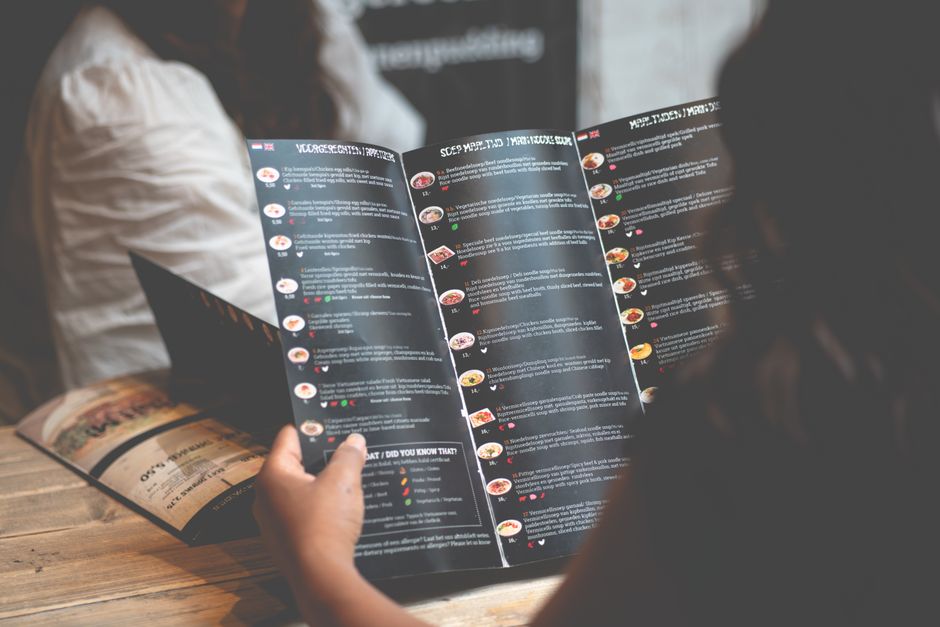
In the competitive restaurant industry of 2025, effective menu planning is essential for enhancing both profitability and customer satisfaction. By strategically designing your menu, you can not only boost sales but also create a memorable dining experience that keeps customers coming back. Here’s how to master menu planning in 2025.
Understanding the Basics of Menu Planning
Menu planning involves more than just listing dishes. It’s about creating a balance between profitability and customer appeal. To start, you need to understand your target audience, analyze your competition, and assess your kitchen’s capabilities. This foundational step helps you tailor your menu to meet the specific needs and preferences of your customers.
Identifying Your Target Audience
Knowing who your customers are is crucial. Conduct surveys, gather feedback, and use social media analytics to get a clear picture of your audience’s demographics and dietary preferences. For instance, if your restaurant is located near a university, you might focus on quick, affordable meals that cater to students.
Competitive Analysis
Research your competitors to identify what works and what doesn’t. Look at their menus, pricing, and customer reviews. This information can help you differentiate your offerings and highlight unique selling points. For example, if most nearby restaurants offer standard burgers, you might introduce gourmet versions with special toppings and sauces.
Strategic Menu Design for Maximum Impact
The visual and structural design of your menu can significantly influence customer choices. A well-designed menu not only looks appealing but also guides customers to the most profitable items.
Visual Appeal
Use high-quality images, clear typography, and a cohesive color scheme to make your menu visually attractive. Highlight special items with boxes, bold text, or icons. For example, a steakhouse might feature a full-page photo of a perfectly cooked ribeye to entice customers.
Strategic Placement
Place your most profitable items at the top of each section, as these are the spots where customers tend to focus first. Use descriptive and appetizing language to describe these dishes. For instance, instead of just listing "Grilled Chicken," you could say, "Herb-Crusted Grilled Chicken Breast with Lemon Butter Sauce."
Leveraging Technology in Menu Planning
In 2025, technology plays a pivotal role in menu planning. Digital tools can help you optimize your menu, track performance, and make data-driven decisions.
Menu Engineering Software
Menu engineering software analyzes sales data to categorize menu items into stars, plow horses, dogs, and puzzles. This helps you identify which items are both popular and profitable, and which ones need to be revamped or removed. For example, a star item might be a signature dish that customers love and that has a high profit margin.
Customer Feedback Apps
Utilize apps and online platforms to gather real-time feedback from customers. This can help you quickly identify issues and make necessary adjustments. For instance, if multiple customers comment on the saltiness of a dish, you can promptly address the issue to improve satisfaction.
Seasonal and Trend-Driven Menu Updates
Staying current with culinary trends and seasonal ingredients can keep your menu fresh and exciting. Regular updates can also attract repeat customers who are eager to try new dishes.
Seasonal Ingredients
Feature dishes that use seasonal ingredients to offer fresh, flavorful options. For example, in the spring, you might introduce a menu with fresh asparagus and strawberries. This not only enhances the dining experience but also supports local farmers.
Trend-Driven Dishes
Keep an eye on food trends and incorporate them into your menu. In 2025, trends like plant-based options, sustainable sourcing, and global fusion dishes are gaining popularity. Offering a plant-based burger or a dish that combines flavors from different cuisines can attract a wider range of customers.
Conclusion
Mastering menu planning in 2025 requires a combination of strategic thinking, creative design, and technological savvy. By understanding your audience, designing a visually appealing menu, leveraging technology, and staying current with trends, you can boost your restaurant’s profitability and customer satisfaction. Start implementing these strategies today to see significant improvements in your business.